



Understanding the skin’s recovery process, and what can disrupt that process, is key to long-term skin health and resilience.
Today’s skincare regimens often focus on the extreme – stronger formulations, higher intensity aesthetic treatments; more products, increased frequency, more effort – with promise of faster results. However, when skin’s innate function (providing a protective shield) is mechanically disrupted and repair/recovery is necessary, more effort and immediate visible action does not always lead to better, long-lasting results J Clin Aesthet Dermatol (2025).
Skin is an intelligent organ with the innate ability to heal itself, and beautifully, if supplied with the essential components required for recovery. As an integral part of skin’s barrier, the microbiome also undergoes major disruptive imbalances whenever the skin is compromised J Cos Dermatol (2025) .
The skin microbiome operates as a dynamic and adaptive interface between the body and its external environment Biochem Soc Trans (2023). Its primary function is to protect the skin from harmful microbes but also plays a very important role in immune response, maintaining skin equilibrium and maintaining the skin’s acidic pH. Acidic pH is crucial to skin health as it supports the function of certain enzymes involved in skin barrier recovery and maintenance.
Skin’s natural cycle of daily renewal and repair includes supporting and nurturing its very unique and personalized microbiome. A healthy, diverse and properly functioning microbiome helps the skin maintain proper moisture and protection from environmental stress, while far beneath the visible top layer, healing and renewal can work most efficiently to address the disruptions that everyday life, including overstimulation, bring to it. Unfortunately, this very fragile ecosystem is often overlooked in post-aesthetic treatment recovery regimens. Ignoring microbiome support post-treatment may still bring short-term positive changes, but in fact trigger a longer-term struggle. In order to become stable again, the microbiome remains in a reactive (overstimulated) state instead of a restorative one, making optimal recovery impossible at worst, or delayed at best. Strategies to protect and/or restore their populations should be an important consideration for optimal skin recovery J Cos Dermatol (2025).
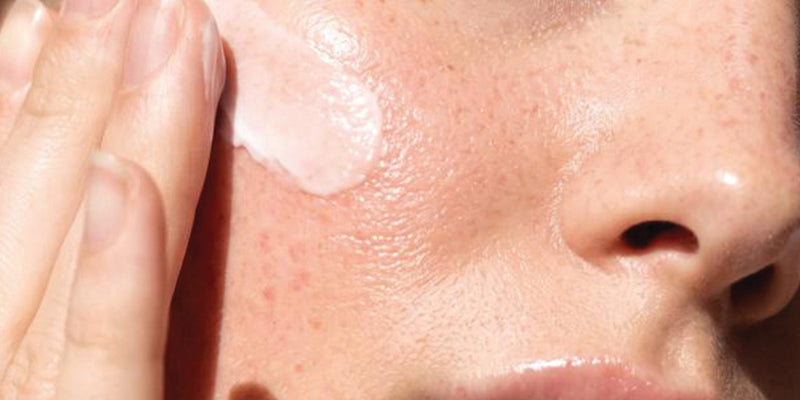
Common signs of overstimulation include dryness, uneven texture, redness, and increased sensitivity and reactivity. These signs are not always immediate, often arising gradually, as the skin barrier attempts to restore balance.
By contrast, routines that respect the skin’s rhythm and balance tend to create an environment where skin feels calmer, the recovery process becomes more sustainable, and easier for the skin to progress into full repair mode during this less stressful state. Basically, full renewal becomes possible when skincare is supportive rather than intense.
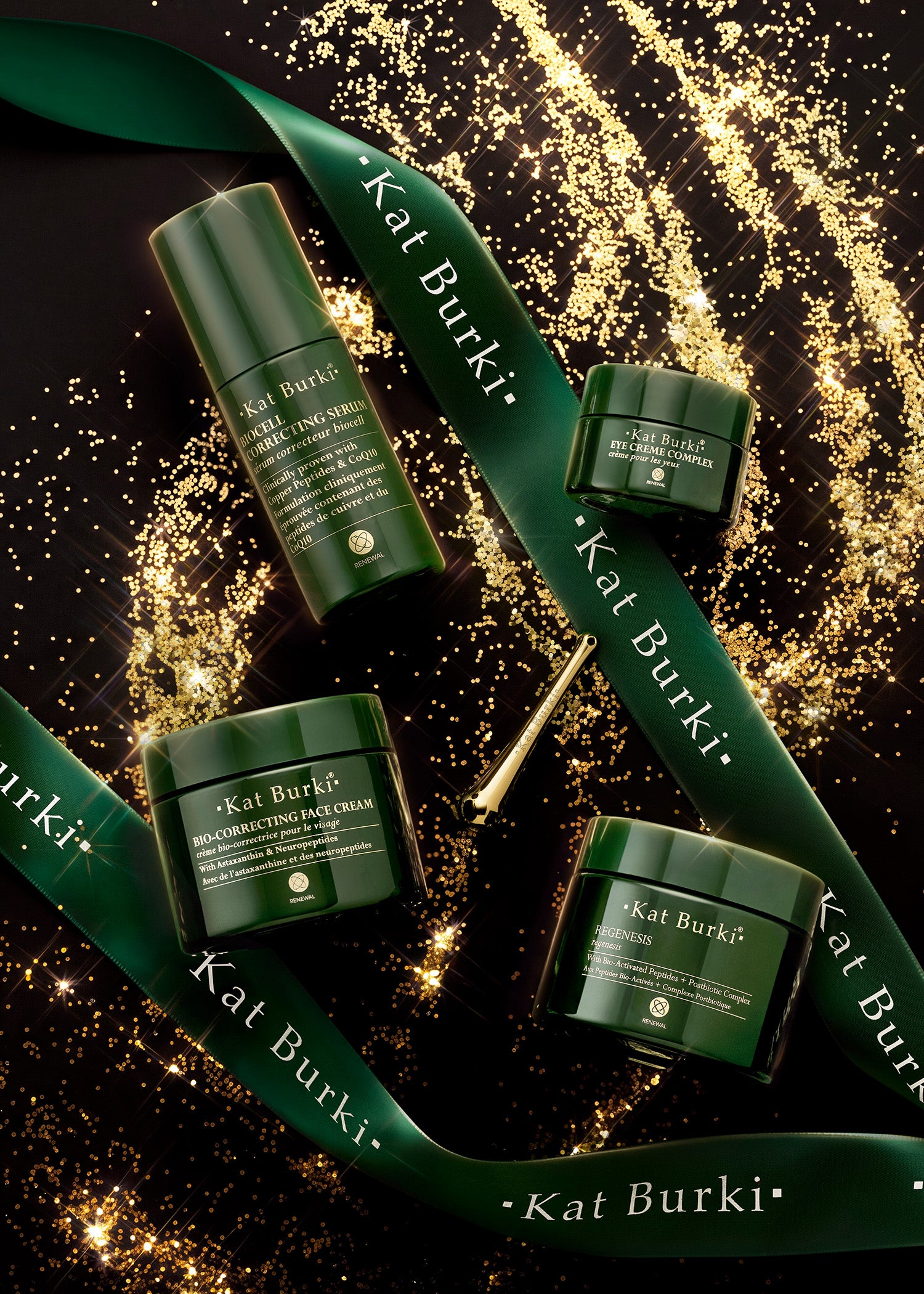
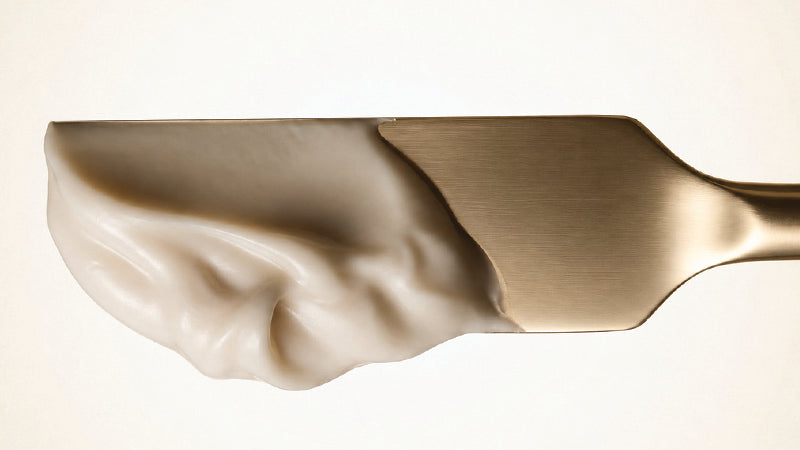
Kat Burki, founder and skincare expert at Kat Burki Skincare, captures this exact philosophy in the form of Healing Biochemistry™, where focus lies on skin’s innate ability to heal itself. In understanding the recovery process, and truly encompassing the importance of microbiome support, we developed a formulation designed specifically nurture and support skin – not overwhelm it – during and following repair. Regenesis™ takes healing to a new level, not by intense stimulation or forced acceleration, but by delivering targeted actives – including essential microbiome support - using our proprietary Bioavailable Delivery Matrix™. One product, one goal – calm, radiant and sustainably healthy skin.




 Your Privacy Choices